
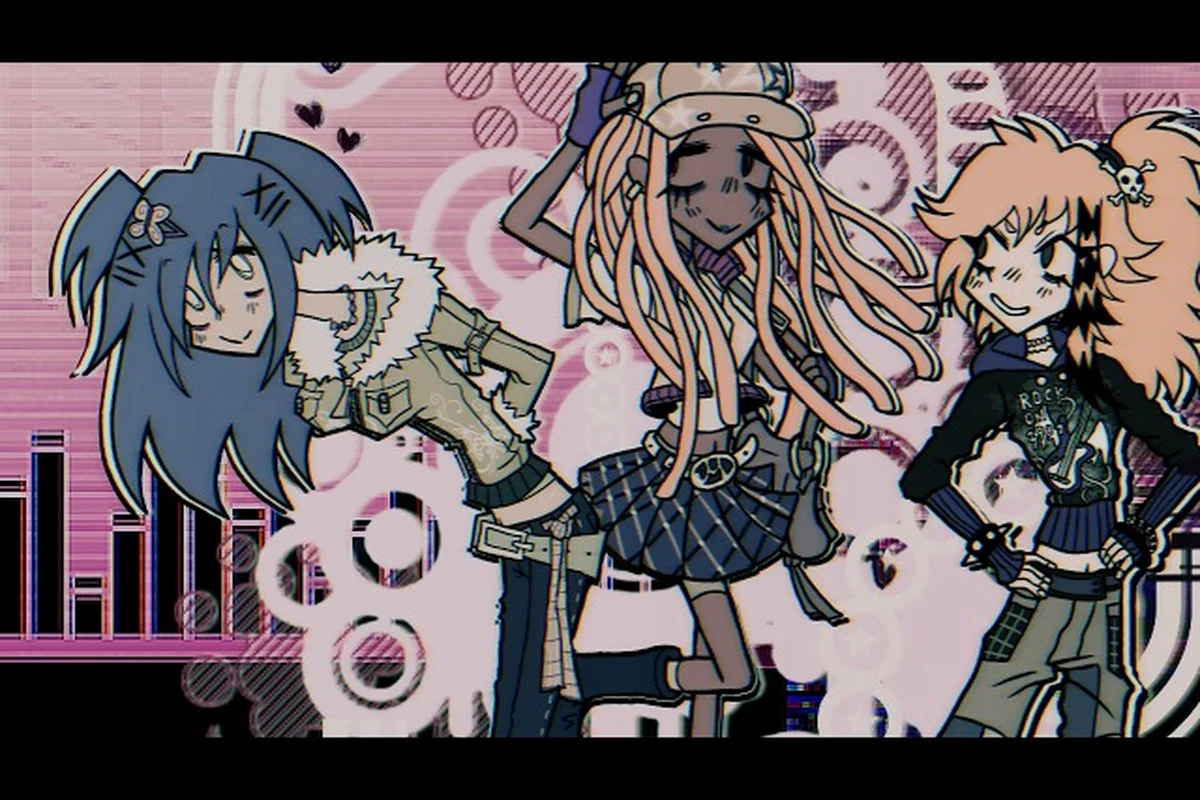
The Lacey's Flash Games trailer is the fastest way to understand what this odd little anthology actually is before you commit hours to it. In under two minutes, the footage previews the release window, the shifting art styles, and the unsettling framing device that ties every mini-game together.
That matters because the marketing material is deliberately vague, and plenty of viewers walk away unsure whether they just watched a horror game, a retro collection, or a prank. Breaking the trailer down scene by scene clears that confusion up quickly.
What Footage Appears Across the Trailer
The most widely shared version of the footage comes from the ghosttundra channel, which posted a breakdown titled "Lacey's Flash Games - Trailer and RELEASE DATE!" The upload walks through the announcement material and confirms the release date alongside the visual tease, which is why it became the default reference point for the community.
One viewing genuinely undersells the density of the cut. The ghosttundra breakdown runs the announcement material at normal speed, but frame-stepping reveals extra interstitial frames between the mini-game montage and the character close-up — brief static textures that read as compression artifacts rather than deliberate art. That choppiness is the point: the teaser is edited like a corrupted browser-game archive, so the shot order below reflects what most viewers reconstruct only after pausing on each transition, not what registers on a first casual watch.
-
An opening CRT monitor glow with a cursor moving on its own
-
A quick montage of mismatched mini-game screens in different art styles
-
A brief glimpse of a character speaking directly to camera
-
A title card with the release date
-
A final frame that lingers a beat too long on an empty room
The overall pacing mimics an old browser game portal, which is clearly the point. According to player discussion around the upload, the teaser is built to feel like a corrupted archive rather than a polished storefront video, and that framing shapes how you should read every clue inside it.
Runtime and Format Details
The teaser runs short by design. Community viewers clocked the main cut at well under two minutes, with the ghosttundra breakdown adding commentary that roughly doubles the watch time. That brevity is deliberate: the developers want repeat viewings, and the density of visual information rewards them.
| Element | What Viewers See | Why It Matters |
|---|---|---|
| Runtime | Under two minutes for the main cut | Encourages frame-by-frame rewatching |
| Art style | Multiple styles stitched together | Signals an anthology structure |
| Framing device | CRT monitor and cursor | Establishes the retro portal theme |
| Release info | Date card near the end | Confirms the launch window |
| Tone | Unsettling but not gory | Sets expectations for the full game |
The table above is essentially the community consensus after the first wave of reactions, and it points to a deliberate tonal split rather than a marketing accident. Nothing in the footage promises a traditional horror experience — there is no gore beat, no jump-scare stinger in the main cut — and nothing promises a pure nostalgia trip either, since the stitched art styles and CRT monitor framing device keep the retro portal theme slightly off-balance. The teaser sits deliberately between the two, and that in-between register is what the ghosttundra commentary latches onto: the unsettling-but-not-gory tone row in the table is the load-bearing entry, because it tells viewers the full game will lean on atmosphere and wrongness rather than shock. For anyone parsing the release date card near the end, that tonal ambiguity is the actual takeaway — it sets expectations for the full game more precisely than the runtime or the launch window does.
Decoding the Lacey's Flash Games Intro Video
The opening seconds of the teaser double as the game's intro, and that is where the real puzzle lives. The Lacey's Flash Games intro is not a simple logo sting; it is a staged sequence with a narrator, a fake desktop environment, and a handful of details that only make sense once you have played a bit of the demo.
Players who paused on the intro frames noticed the desktop icons are not random. Each one corresponds to a mini-game category that appears later in the footage, which means the intro is quietly acting as a menu preview. That is a clever bit of design, and it explains why the intro video keeps circulating separately from the main trailer.
The Narrator and the Framing
The voice in the opening is calm, almost instructional, and it never breaks character. Community reports describe it as the voice of a guide who may not have your best interests at heart, which fits the anthology's habit of presenting friendly interfaces over unsettling content. The narrator explains how to navigate the collection, but the delivery is just slightly off, and that dissonance is the hook.
If you want a fuller picture of how the framing device connects to the actual game structure, the announcement and demo breakdown covers the developer's own description of the concept and how the mini-games are organized.
Breaking Down the Lacey's Flash Games Gameplay Video
Separate from the teaser, a longer gameplay video has been circulating that shows actual play rather than edited highlights. The Lacey's Flash Games gameplay video is the better reference if you want to judge difficulty, controls, and how much variety the collection really offers.
The gameplay footage reveals a few things the trailer hides. First, the mini-games are genuinely different genres, not reskins of one mechanic. Second, the transitions between them are part of the experience, not just loading screens. Third, the difficulty curve is uneven by design, which is a deliberate choice rather than an oversight.
| Gameplay Segment | Genre Shown | Difficulty Signal |
|---|---|---|
| Opening sequence | Point-and-click exploration | Low, tutorial-paced |
| Mid montage | Arcade reflex challenge | Moderate, timing-based |
| Later segment | Puzzle with hidden rules | High, requires note-taking |
| Closing sequence | Narrative choice moment | Variable, branch-dependent |
The uneven spread is worth flagging because it shapes how you should approach the collection. Players who expect a smooth ramp will be surprised; players who enjoy being thrown between genres will feel right at home. The beginner guide lays out a sensible order for tackling the segments if the jump in difficulty feels abrupt.
How the Footage Compares to the Demo
The demo and the trailer do not show identical content, and that gap has fueled plenty of speculation. Based on community comparison threads, the demo includes at least one mini-game that never appears in the teaser, while the teaser includes a room that players have not yet located in the demo build. That mutual exclusivity is a strong hint that the full release contains more than either slice shows.
Reading the Lacey's Flash Games Release Trailer for Clues
The Lacey's Flash Games release trailer is where the date confirmation lives, and it also carries the densest cluster of hidden details. Viewers who slowed the footage down found text fragments embedded in background elements, including what looks like a file path and a short string of numbers.
Those fragments have been the subject of extensive community decoding. Reported interpretations vary, but the most common reading is that the numbers correspond to a date format rather than a code, and the file path points to a folder structure that mirrors the game's chapter layout. Neither claim is officially confirmed, so treat both as community theory rather than fact.
Details Worth Pausing On
If you plan to scrub through the footage yourself, these are the moments the community flags as worth a freeze-frame — each one tied to a specific frame range in the Lacey's Flash Games release trailer rather than a vague impression. The opening cursor path is the most-cited, because frame-by-frame it resolves into a deliberate shape instead of a jittery mouse trail; the desktop icon layout is the second, since the arrangement in the intro doesn't match the closing shot. Rounding out the list are the background poster in the character scene, the near-imperceptible lighting shift on the final frame, and the low tone buried in the audio bed.
-
The cursor movement in the opening, which traces a shape rather than a random path
-
The desktop icon arrangement, which changes between the intro and the closing shot
-
A background poster in the character scene that reads differently on a second look
-
The final frame, where the lighting shifts almost imperceptibly
-
The audio bed, which contains a low tone that some viewers report as a reversed voice
The audio claim is the least verified of the bunch. Community listeners disagree on whether the tone is meaningful or just atmospheric, and no official source has addressed it. That uncertainty is part of the appeal, but it is also a good reason not to build theories on it alone.
Comparing the Official Trailer to Community Edits
The Lacey's Flash Games official trailer and the fan-made breakdowns serve different purposes, and knowing which to watch first saves time. The official cut is the cleanest presentation of the concept; the community edits are where the analysis happens.
| Version | Length | Best For | Caveat |
|---|---|---|---|
| Official teaser | Under 2 minutes | First impression, release date | No commentary or context |
| ghosttundra breakdown | Several minutes | Release confirmation, reaction | Commentary colors your read |
| Gameplay footage | Longer | Judging difficulty and variety | May include demo-only content |
| Fan frame analysis | Varies | Hidden detail hunting | Unverified theories mixed in |
The practical takeaway is to watch the official cut cold first, form your own impression, and only then move to the breakdowns. Going straight to commentary means you inherit someone else's interpretation before you have had a chance to notice anything yourself.
Why the Reaction Videos Matter
Reaction content is not just noise here. Because the teaser is so dense, the reaction videos function as a crowdsourced annotation layer, and the update notes coverage tracks how the community's reading of the footage shifted after each patch and clarification. Watching a few reactions after your own viewing is a fast way to catch details you missed without spoiling the first impression.
What the Trailer Tells You About the Full Game
Strip away the theories and the teaser still communicates a clear set of expectations. The footage promises a collection of short, stylistically varied games wrapped in a meta-narrative, presented through a retro interface that is meant to feel slightly wrong. It does not promise a long campaign, a deep progression system, or a traditional horror experience.
That clarity is useful when you decide whether to buy in. If the idea of hopping between genres inside a creepy framing device appeals to you, the trailer is an accurate preview. If you want one polished mechanic explored in depth, the footage is honestly telling you this is not that game.
Signs of Scope and Replay Value
A few visual cues hint at scope. The number of distinct art styles in the montage suggests more mini-games than the demo shows, and the branching choice moment near the end of the gameplay footage implies at least some replay incentive. The difficulty and replay value breakdown digs into how much variation the full release actually delivers, which is the question the trailer raises but cannot answer.
Frequently Asked Questions
Where can I watch the Lacey's Flash Games trailer?
The most widely referenced version is the ghosttundra upload on YouTube, which pairs the announcement footage with a release date confirmation. It remains the community's default reference because it includes both the teaser and commentary explaining what the frames show.
Does the trailer reveal the release date?
Yes. A date card appears near the end of the teaser, and the ghosttundra breakdown explicitly confirms the launch window. That confirmation is the main reason the upload spread so quickly among players who had been unsure when the game would arrive.
Is the intro video part of the actual game?
The opening sequence in the teaser mirrors the in-game intro, including the narrator and the fake desktop environment. Players who have tried the demo report the framing device carries directly into play, so the intro video is a genuine preview rather than marketing-only footage.
Are the hidden details in the trailer confirmed?
No. The embedded text fragments, the cursor path, and the audio tone are all community observations without official confirmation. Treat the decoding theories as interesting leads rather than facts, and expect some of them to be resolved only after launch.
Should I watch gameplay footage before buying?
It helps if you are unsure about the genre mix. The gameplay video shows the actual spread of mini-game types and the uneven difficulty curve, which the teaser deliberately obscures. Watching it sets accurate expectations and prevents surprise at the abrupt shifts between segments.
The trailer is a short, dense piece of marketing that does its job well: it tells you the release window, shows you the tone, and hides just enough detail to keep the community analyzing frames for weeks. Watch the official cut first, form your own read, then let the breakdowns fill in the rest.